

World COPD Day 2026 | Early Diagnosis and Management for a Better Life
18 November 2026
The third Wednesday of November each year is World Chronic Obstructive Pulmonary Disease (COPD) Day. On 18 November 2026, the campaign highlights the theme “Early Diagnosis and Management for a Better Life”, emphasising the importance of recognising COPD early, obtaining a timely diagnosis and following appropriate long-term management.
Chronic obstructive pulmonary disease (COPD) is a common chronic respiratory condition characterised by persistent airflow limitation. Common symptoms include breathlessness, chronic cough and sputum production. Smoking is a major risk factor, but indoor and outdoor air pollution, as well as occupational exposure to dust and harmful gases, also deserve attention.
Some lung damage associated with COPD cannot be fully reversed, making early recognition and ongoing clinical management particularly important. Alongside professional medical advice, reducing avoidable exposure to environmental pollutants is another aspect of respiratory health worth considering.
What shapes the indoor air we breathe every day?
1. Indoor air pollution: sources inside and outside buildings
Indoor activities and materials such as cooking, smoke, cleaning products and building materials generate pollutants that can contribute to poor indoor air quality. Outdoor pollutants can also enter through doors, windows, and ventilation systems.
Indoor air quality management may need to consider several categories of pollutants:
- Particulate matter: PM2.5, PM10, dust, pollen and other airborne particles.
- Gaseous pollutants: nitrogen dioxide (NO₂), sulphur dioxide (SO₂), ozone (O₃), formaldehyde and other volatile organic compounds (VOCs).
- Biological pollutants: airborne bacteria, viruses, mould spores and other biological aerosols.
These pollutants have different sources and properties, so they require appropriate control approaches. The World Health Organization’s (WHO) 2021 Global Air Quality Guidelines provide health-based reference levels for several major air pollutants. Examples include:
| Pollutant | Averaging period | WHO guideline level |
|---|---|---|
| PM2.5 | 24-hour mean | 15 μg/m³ |
| PM2.5 | Annual mean | 5 μg/m³ |
| NO₂ | 24-hour mean | 25 μg/m³ |
| O₃ | 8-hour mean | 100 μg/m³ |
The WHO values provide useful reference points for understanding exposure to these pollutants. The 24-hour guideline values use the 99th percentile of daily means.
For people who need to pay particular attention to their respiratory environment, indoor air quality management should look beyond PM2.5 and consider the control of different pollutant types.
2. From Particle Filtration to Multi-Pollutant Treatment: HATL’s Approach
Particle filters and gas-treatment technologies address different pollutants. Where particles, gaseous pollutants and biological aerosols coexist, the choice of air-cleaning technology needs to reflect that mixture.
Healthy Air Technology Ltd (HATL) combines HEPA-13 particle filtration with its patented D-Orbital Nano Oxide (DNO) ambient-temperature catalyst technology.
HEPA-13 particle filtration
The HEPA-13 filter is designed to capture fine particulate matter and other airborne particles.
DNO catalyst technology
The DNO catalyst is designed to treat selected gases and biological contaminants at its surface.
This combined approach extends air treatment beyond physical filtration, addressing certain gaseous pollutants that conventional particle filters are not designed to remove.
Selected results from HA800 model-specific testing include:
| Test item | Reported result |
|---|---|
| Particulate CADR | 799.4 m³/h |
| PM2.5 CADR | 767.9 m³/h |
| NO₂ removal | 99.11% after 60 minutes |
| SO₂ removal | 93.3% after 60 minutes |
| H1N1 indicator reduction | ≥99.9% after 60 minutes |
These results come from separate HA800 tests using different methods and operating conditions.
Together, the results show how HATL assesses performance against specific particles, gases and biological indicators.
3. What a purifier’s test result tells you about a real room
Clean Air Delivery Rate (CADR) measures an air purifier’s particle-cleaning capacity under specified test conditions. Room performance also depends on where and how the device is used.
Room size, ceiling height, furniture layout, device location and occupant activity can all influence airflow and purification performance. If purified air does not circulate effectively throughout a space, differences in air quality may occur between areas.
HATL uses Computational Fluid Dynamics (CFD) to inform air delivery direction and circulation paths in its designs, while also considering occupant comfort.
Equipment selection should consider room volume, required CADR, occupancy and layout. For example, the HA800 is intended for large shared spaces; choosing a device for another setting requires the same room-specific assessment.
For homes and other spaces where people spend extended periods, operating noise, energy consumption and ease of ongoing use are also important considerations.
4. Managing pollutant sources alongside air purification
Pollutants can continue to be generated indoors or enter from outside after an air purifier is installed. Reducing smoke and cooking emissions at source, using extraction and ventilating when appropriate all remain part of managing indoor air.
Equipment also needs to suit the room and be maintained according to its instructions. Air-quality information and occupancy patterns can help guide operation, while routine cleaning and action on damp or mould address sources that an air purifier cannot resolve. Our earlier article on indoor air triggers in asthma and COPD explores these everyday choices in more detail.
5. Looking Ahead: Exploring AI-Enabled Air Purification
Changes in pollutant levels and room use also raise questions about how purification equipment could respond over time.
HATL is progressively exploring the application of large language models and other AI technologies in the air purification field. Areas of exploration include multi-dimensional air quality data analysis, identifying changes and trends in pollution, optimising equipment operating strategies and making user interaction more intuitive.
Our aim is to make air quality information easier to understand and help purification equipment respond more appropriately to the needs of different spaces and environments.
Conclusion | Early COPD care and the indoor environment
The 2026 World COPD Day theme focuses on early recognition, timely diagnosis and appropriate long-term management of COPD. Environmental exposure, including the air in buildings, is another factor worth understanding.
For people who spend extended periods indoors, the sources of pollution, ventilation and the performance of air-cleaning equipment all shape the air they breathe.
HATL combines HEPA-13 filtration, DNO catalyst technology and CFD-informed airflow design in air purifiers for different indoor settings. Its model-specific test results help show what each device has been assessed to address.
On World COPD Day, the priority remains early diagnosis and appropriate care. Understanding and managing indoor air is a practical part of the wider effort to reduce avoidable environmental exposure.
Latest News
World COPD Day 2026 | Early Diagnosis and Management for a Better Life
The third Wednesday of November each year is World Chronic Obstructive Pulmonary Disease (COPD) Day. On 18 November…
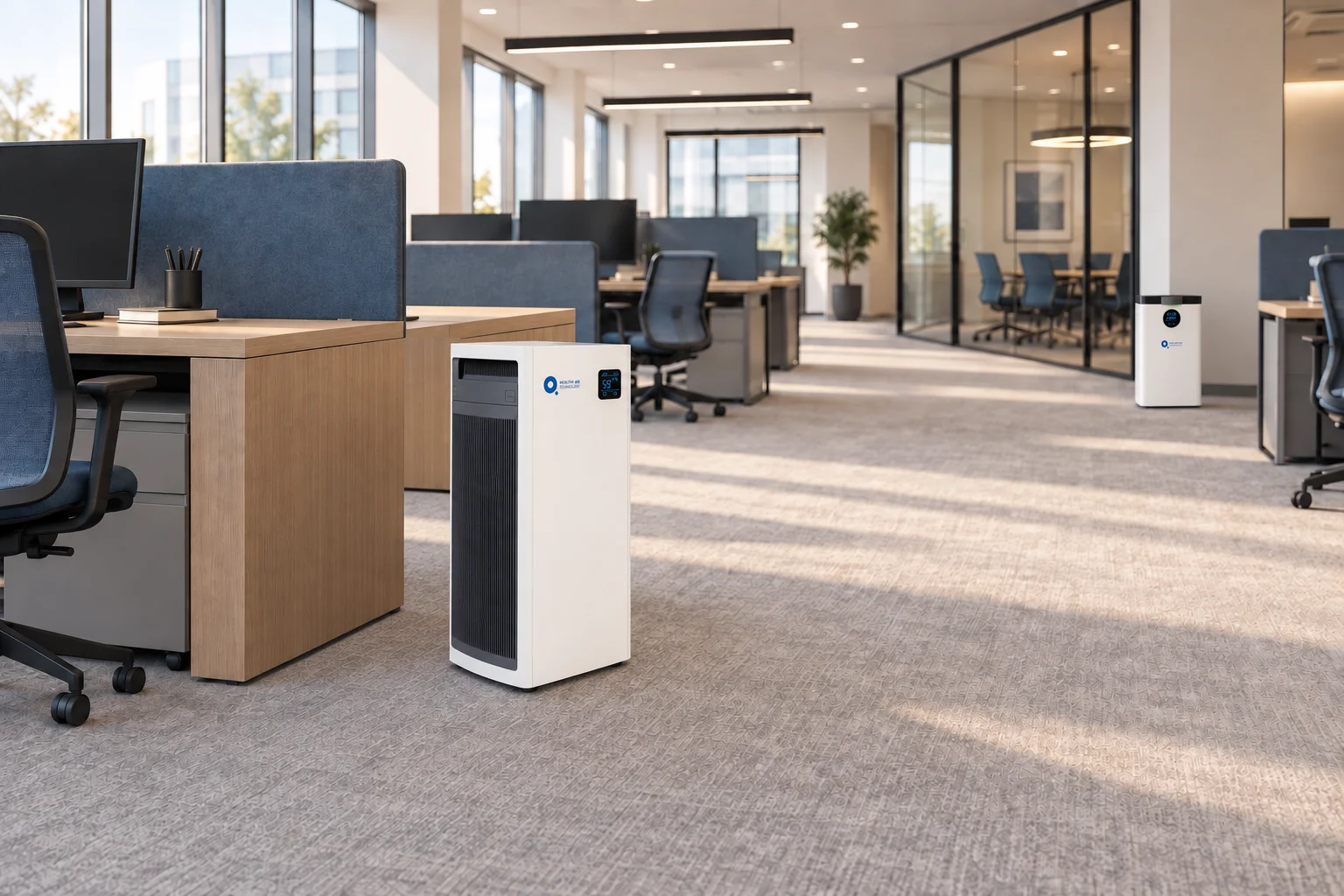
How can air purification improve air quality in offices and co-working spaces?
Key points Offices and co-working spaces often contain a mixed pollutant profile: outdoor particles, indoor dust, VOCs, bioaerosols,…
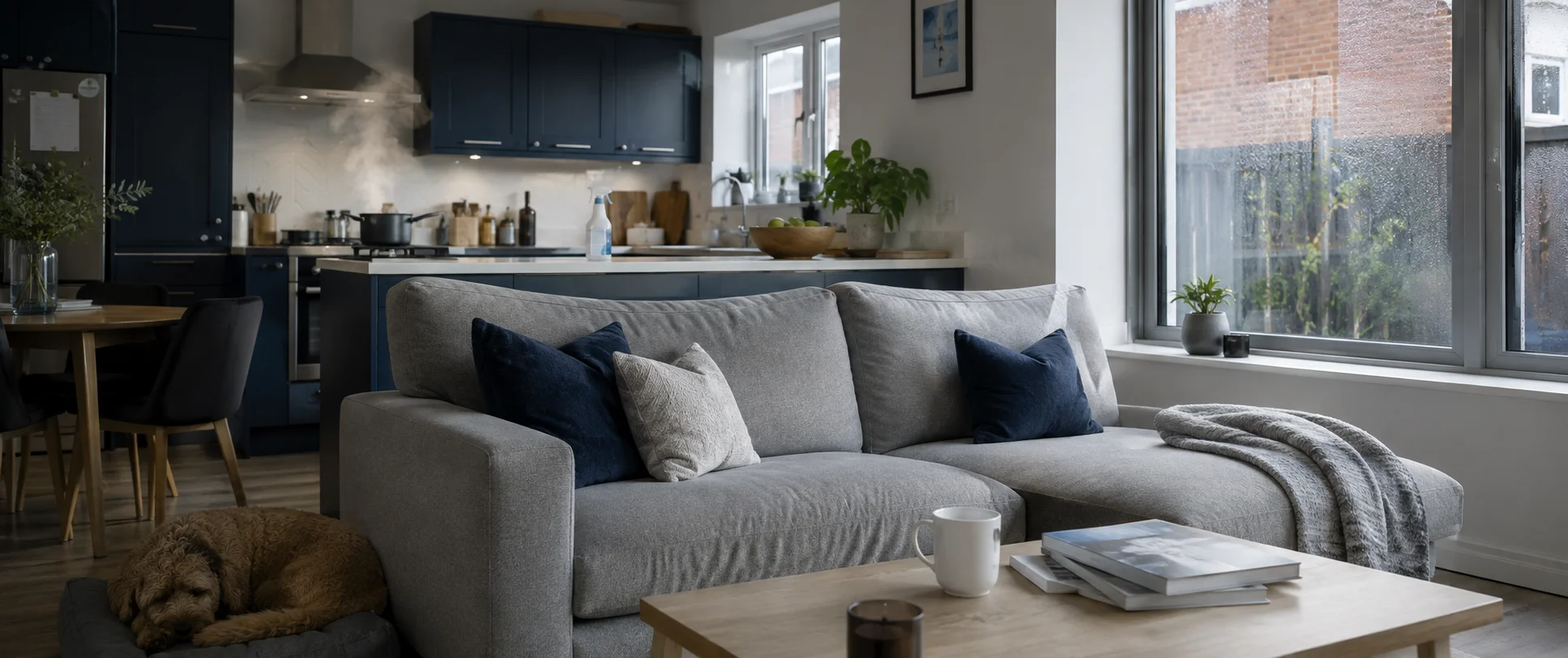
What a UK study reveals about indoor air triggers in asthma and COPD
Key points A UK mixed-methods study (Holt et al., Indoor Air) surveyed 332 people with asthma or COPD…