

The air we breathe in our homes can be surprisingly polluted
20 November 2024
The air we breathe within our homes, often considered a haven from the outside world, can be surprisingly polluted. Cleaning products, those everyday essentials we rely on to maintain a hygienic environment, are a significant contributor to this indoor air pollution.
Many cleaning products contain volatile organic compounds (VOCs), chemicals that readily evaporate into the air at room temperature. These VOCs can linger in the air for extended periods, posing potential health risks. Exposure to VOCs has been linked to various respiratory problems, including asthma, allergies, and lung irritation. Furthermore, some cleaning products release harmful fumes when mixed with other chemicals, highlighting the importance of careful usage.
One of the most concerning aspects of cleaning product-related air pollution is the long-term impact on indoor air quality. Repeated exposure to these chemicals can lead to chronic health issues and exacerbate existing respiratory conditions. Additionally, these chemicals can react with sunlight and other pollutants to form ozone, a harmful gas that can aggravate asthma and other respiratory ailments.
To mitigate the negative effects of cleaning products on indoor air quality, several strategies can be employed. Firstly, opting for natural cleaning alternatives, such as vinegar, baking soda, and lemon juice, can significantly reduce exposure to harmful chemicals. These natural ingredients are not only effective in cleaning but also environmentally friendly.
Secondly, proper ventilation is crucial when using cleaning products. Opening windows and doors to allow fresh air to circulate can help disperse VOCs and reduce their concentration in the air. Exhaust fans in kitchens and bathrooms should also be used to expel fumes and moisture, which can contribute to mould growth.
Thirdly, reading product labels carefully is essential. Look for products labelled as “non-toxic” or “eco-friendly,” as these often contain fewer harmful chemicals. Additionally, avoid mixing different cleaning products, as this can create dangerous chemical reactions.
In conclusion, while cleaning products are necessary for maintaining a clean and healthy home, it is crucial to be mindful of their potential impact on indoor air quality. By making informed choices and adopting environmentally friendly cleaning practices, we can significantly reduce our exposure to harmful chemicals and create a healthier living environment. Choose an air purifier for total peace of mind.
*Photo by Pixabay httpswww.pexels.comphotobrown-wooden-floor-48889
Latest News
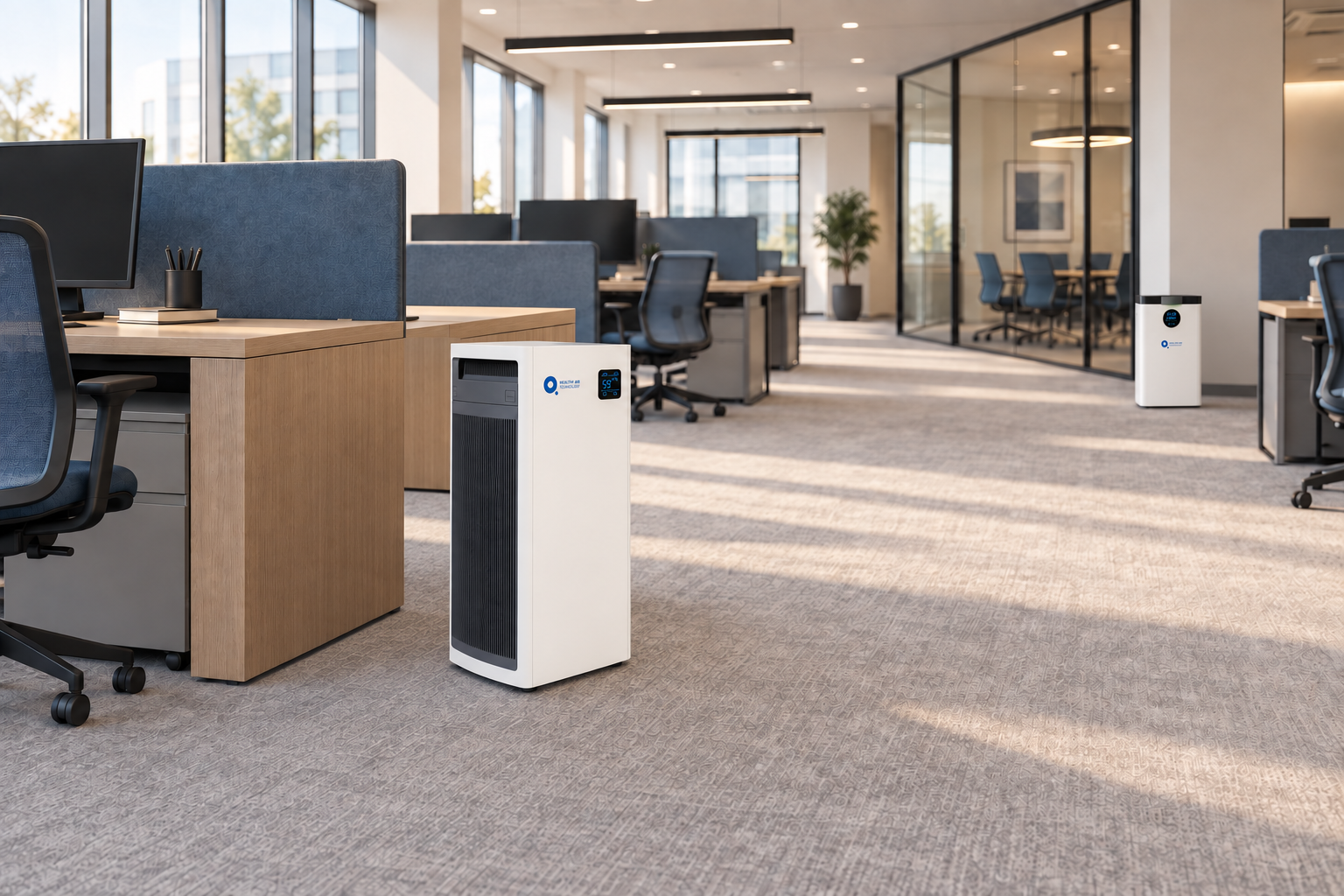
How can air purification improve air quality in offices and co-working spaces?
Key points Offices and co-working spaces often contain a mixed pollutant profile: outdoor particles, indoor dust, VOCs, bioaerosols,…
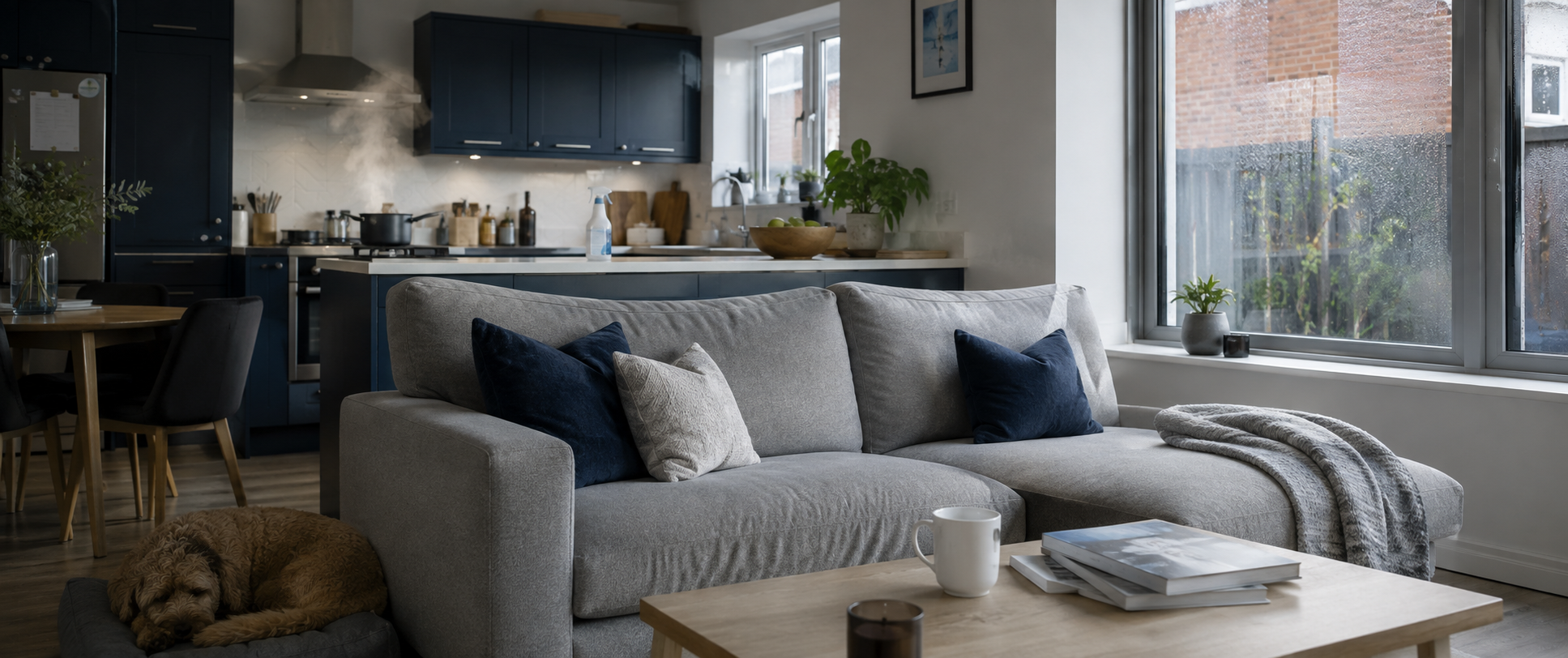
What a UK study reveals about indoor air triggers in asthma and COPD
Dust, smoke, cooking particles, fragrances, and mould were among the everyday indoor-air concerns identified by people with asthma and…

How can schools, universities and training centres use air cleaning effectively?
Key points Air cleaning can help reduce airborne particles in classrooms, lecture rooms, libraries, training rooms and shared…